When Schools Deny Your Request for an Evaluation Based on "Good Grades”
By: Becca Phillips, Advocate
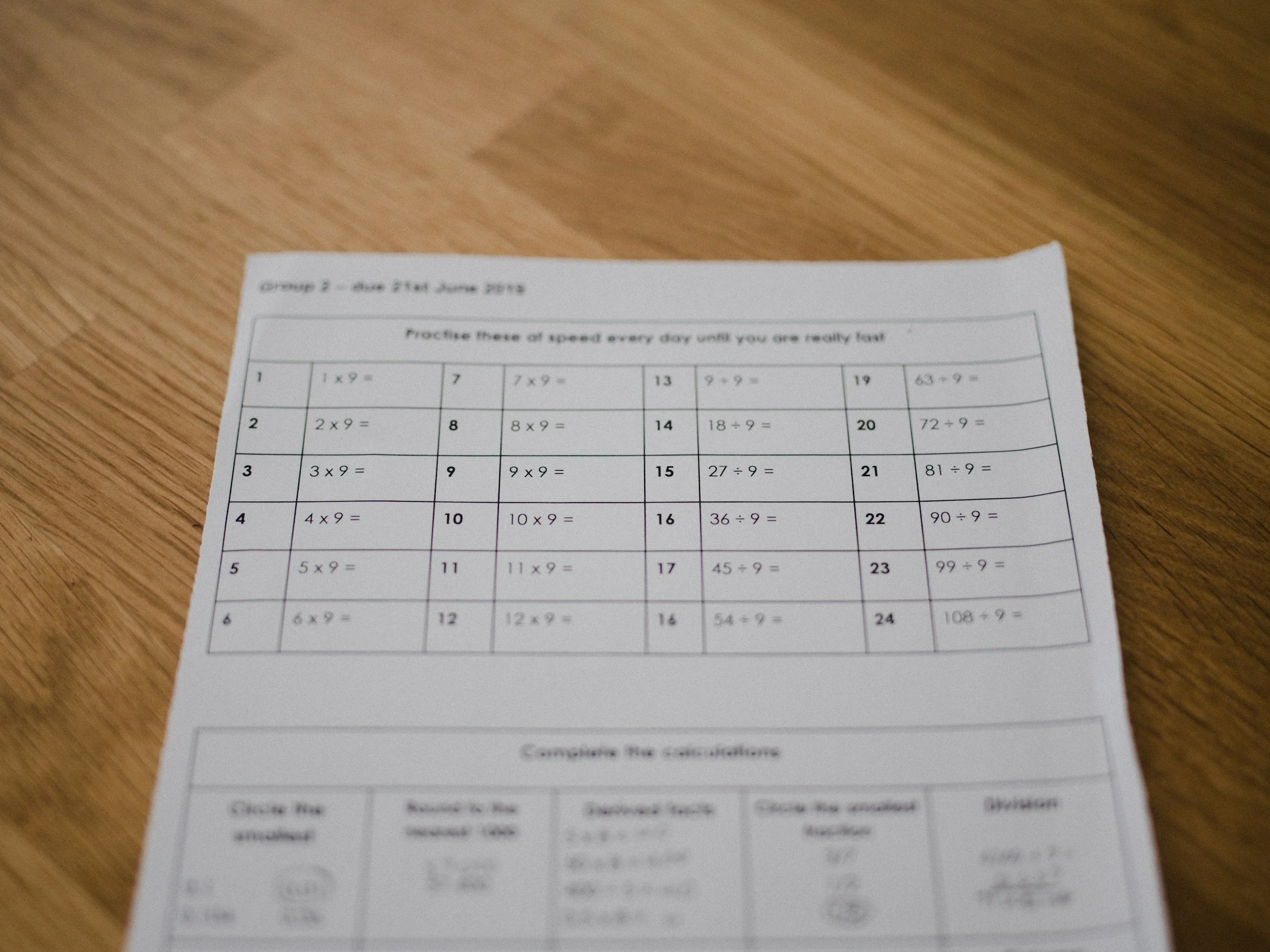
If you’ve ever approached your child’s school and made a request for a comprehensive psychoeducational evaluation only to hear a statement along the lines of “We can’t/won’t evaluate because your child has good grades,” or “We don’t feel they will qualify or need the support because they have good grades” then you’re not alone and you certainly aren’t without options.
So often I am on consultation calls with new client families who tell me the school keeps telling them their child’s grades are “too good” to qualify for special education services. Let’s make sure one thing is very clear: Good grades do NOT eliminate a child’s right to an evaluation. Yes, there is still an evaluation period and a student must meet the eligibility criteria to have an IEP developed; however, they still have a right to go through the evaluation process.
Under IDEA and Section 504 of federal law, a school cannot deny an evaluation solely because a student earns passing, or even above grade level, grades. Eligibility for special education and/or related services is based on a student's individual needs, not grades alone.
Why Does This Commonly Happen?
Schools sometimes rely too heavily on academic performance as the primary indicator of need. Schools may also unfortunately use this as a reason to delay or “push off” your request; however, schools cannot use just a single factor to say no to a parent's request for evaluation. There are many aspects that academic grades do not capture and those include:
Executive functioning challenges
Anxiety or other mental health needs
Slow processing speed
Attention difficulties
Social communication difficulties
Reading, writing, or math disabilities that are often masked by effort or through parent support
Students who are twice exceptional (2e)
Grades alone can never paint a true, accurate reflection of a student's needs. It does not take into account the extra time put into learning at home, scaffolding received outside of the classroom, or even the anxiety and mental toll it is taking for some students to maintain these good grades.
What Does The Law Say?
Diving a little deeper into IDEA will tell you that schools are required to evaluate if there is a “suspected disability.” A parent's written request for evaluation is enough to “trigger” the schools’ obligation to consider and respond to the request through a Prior Written Notice (PWN). Evaluation decisions must be based on: parent concerns, teacher input, observed functional performance, social-emotional/behavior needs, past interventions and performance, any additional data including outside reports. At the end of the day, if there is any reason to suspect the presence of a disability, it is the school's obligation to evaluate.
What to Do if Your School Says No?
Ask for a Prior Written Notice (PWN). You have the right to request a PWN if the school does not automatically provide it to you. This PWN will explain: what the school is refusing, why they are refusing, what data or evidence they used to make the decision, other options they considered, and ultimately why they are rejecting your request. Oftentimes schools will not include all of this unless prompted. If that happens, you can send a request to the school that states: “Please provide a Prior Written Notice that documents the school's refusal of my request for a comprehensive psychoeducational evaluation and the data that was used in making that decision.” I have seen in certain instances where this small act can have the school reconsider their response and decision in moving forward.
Resubmit your written request stating the educational impact. Good grades don’t suddenly eliminate educational impact for a child. That impact can present through not only academic manners, but also social, emotional, behavioral, and functional ways. When you resubmit your request, you can say: “Although my child is maintaining grade expectations, I observe struggles in attention/executive functioning/language/emotional regulation/sensory needs/processing/behavior/etc. These concerns suggest a suspected disability that is impacting my child's educational performance beyond just grades. I am formally requesting a comprehensive psychoeducational evaluation.” It is not required for you as the parents to provide data or examples, but it can be helpful
Request a school meeting to discuss interventions. Another common statement I hear from families is that schools deny or delay their request for evaluation because the student is receiving interventions. Per IDEA, it explicitly states that the Response to Intervention (RTI) process cannot be used to deny or delay an evaluation for eligibility. An evaluation can occur simultaneously to interventions occurring. Request a meeting with the school team to discuss your concerns and even review the data from the implemented interventions.
File a complaint. If the school continually refuses your request, you always have the right to file a state complaint asserting the denial of an evaluation based on grades alone, which again, is not permitted under IDEA.
Consider hiring an advocate. Not only do we as advocates know special education laws and procedures, can provide you with emotional support and guidance to alleviate some of your stress, but we will also help you to develop a strategy in working with your child’s school, help interpret documents and evaluations, and ensure that your child's needs and rights are being met.
Bottom Line…
At the end of the day, as a parent advocate, I would always encourage you to do just that - advocate. You know your child, so advocate for them with confidence. I often have conversations with parents who are at the end of their rope on what to do because the school is constantly setting up roadblocks. Remember that you are not asking for anything unreasonable and it’s ok to bring on support through an advocate to help you navigate this path. An advocate can not only help you through this process and push for the proper steps to be taken, but to help you not feel alone in navigating this path for your child.