Social Stories & Schedules: Preparing Your Child with Special Needs for Holiday Events
By: Becca Phillips, Advocate
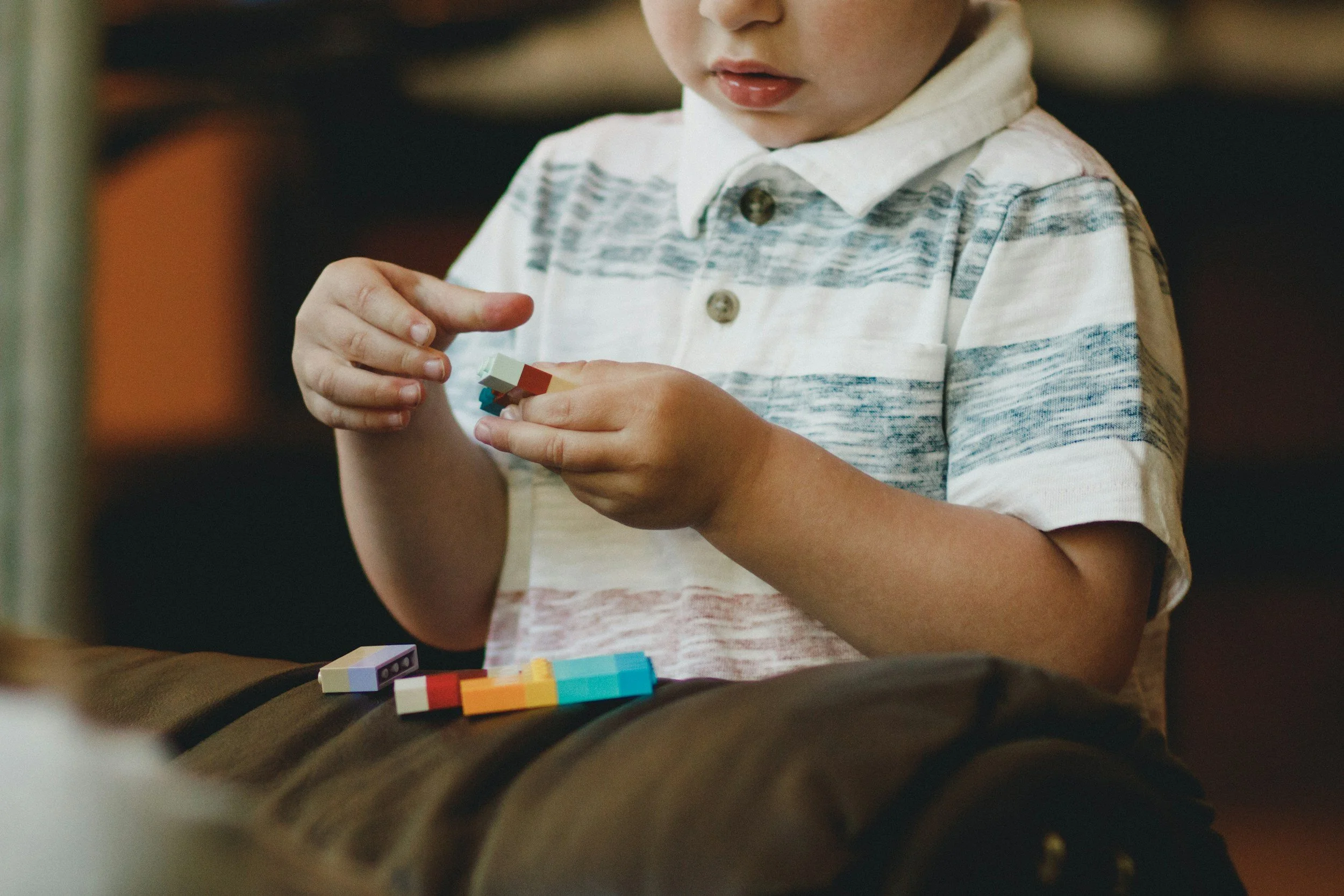
Holiday gatherings can be a culmination of joyful, exciting, and overwhelming, especially for children with special needs. Bright lights, unfamiliar faces, changes in routine, loud noises and music can create sensory overload that makes this time of year challenging. However, with the right tools, you can help your child feel more comfortable, confident, and prepared in navigating through the holiday season.
Two of the most effective supports for children during this time are Social Stories and Visual Schedules. When both of these are used together, they can turn what can be holiday chaos into something predictable and manageable for children with special needs.
Why the Holidays Can Be Challenging for Neurodiverse Kids
Children with disabilities such as autism, ADHD, anxiety, or sensory processing differences often thrive on structure and routine. The holiday season can often bring:
Changes to daily structure and routine
Loud noises, busy crowds, and strong smells
New expectations (greeting familiar and unfamiliar people, gift-giving, sitting for meals)
Travel and unfamiliar environments
Social demands that require extra energy
These shifts can increase stress and anxiety that may ultimately lead to meltdowns, behavior escalations, avoidance, or shutdowns. Preparing your child ahead of time can make all the difference in setting them up for success.
What are Social Stories and How Can They Help During the Holidays?
Social Stories are short, personalized narratives to explain social situations, behaviors, and a variety of concepts to children with disabilities to help them understand expectations, reduce anxiety, develop skills, and navigate routines by focusing on what will happen, why it will happen, what they are expected to do, and how they can cope or respond.
Social stories help remove the element of surprise, giving your child a “preview” of an upcoming situation. These stories can be written and used to walk your child through situations like:
Visiting family
Taking pictures with Santa
Opening gifts
Sharing gifts
Sitting at a big holiday dinner
Staying in a home that isn’t your own
Going to visit a special holiday light show
Traveling in a car or airplane and navigating travel
Having guests visit your home
Winter break and having an extended period at home away from the routine of school
Holiday traditions
When children know what to expect during changes in routine, they will feel safer and more likely to participate successfully.
Example Holiday Social Story
You can personalize a Social Story with photos of family members, your home, the holiday event you are going to attend, the airport you will be traveling through, etc. so that it is familiar when the time comes that it actually occurs. Below is an example of a Social Story broken down by page (minus personalized images for each page). A tip for writing a Social Story is to use clear, neutral, reassuring, concrete, and fact based language.
Title: “What to Expect at Christmas”
Christmas is a holiday in December.
There are many activities that families like to do at Christmas.
Some people hang up wreaths, lights, and other Christmas decorations.
For decorations, my family will have ______.
Families might also put decorations on a Christmas tree. These decorations might be lights, ornaments, and something on top, like an angel or star.
On our Christmas tree, my family will have ______.
Another decoration families might have is stockings. Stockings are hung up and sometimes filled with small presents on Christmas day.
On Christmas Eve, the night before Christmas, some families go to church or eat dinner together.
Families might also leave cookies and milk by the Christmas tree for Santa to thank him for bringing presents.
On Christmas Eve, my family will ______.
When I wake up on Christmas morning I will open presents with my family.
Then we will ____.
This is how my family celebrates Christmas.
Visual Schedules: Creating Predictability in an Unpredictable Season
A visual schedule breaks the day as a whole down into small steps that are easy to understand whether or not the day is different from their normal routine. Visual schedules as a tool are incredibly effective for:
Reducing anxiety
Improving transitions
Improving executive functioning
Increasing confidence
Increasing independence
Limiting power struggles by prompting your child to “Check your schedule!” instead of constant prompting
Teaching new skills
Increasing motivation
How to Create a Holiday Visual Schedule
To create a holiday visual schedule, you can use: small picture icons, photos of the actual event or item, a simple written list, or first-then board. If using small picture icons or photos, use a small posterboard or sheet of paper with velcro to outline the daily events. Children can even remove each icon as they complete them so they consistently see the change in their schedule for that day. Below is an example holiday schedule in a sequence of events:
Eat breakfast
Get dressed
Drive to Grandma’s
Say hello to family
Play time
Dinner
Quiet break (picture of break activity)
Open presents
Drive home
Remember there is benefit to building in scheduled breaks to your child's day to prevent overload before it happens.
Final Tips for Helping Your Child Succeed During Holiday Events
Keep a “Sensory Toolkit” Ready
Items may include:
Noise canceling headphones
Fidget toys
Playdough/Putty
Weighted lap pad
Chewy or oral-motor tools
Familiar comfort objects
Snacks
Bubbles
Practice Before the Event: Role-play greetings, role play and practice taking turns, or opening gifts.
Identify a Safe Space: Let your child know where they can go to take a break and show them where that space is when you arrive.
Prepare Family Members: Share strategies or scripts your family members can use to communicate effectively with your child. Share expectations, find ways to incorporate your child into family traditions and activities that still meet their needs, explain behaviors to them, and focus on fostering connections.
Keep Expectations Realistic: Participation does not mean perfection. It is OK that your child may become anxious, overstimulated, become dysregulated, or not want to engage with extended family members that may be unfamiliar to engage in activities that are also unfamiliar. Set your child up for success using these tools and strategies, but also recognize that it is absolutely OK if things don’t go “according to plan” even with additional support.
Your child doesn’t need to enjoy the holidays the exact same way others do to make it fun, memorable, and enjoyable. What matters is that they feel safe, supported, and accepted. Remember that Social Stories and visual schedules aren’t just tools, but they are ways of helping your child feel understood and heard. When your child feels secure, the holidays can become not only manageable but meaningful as well!